

Web3 Business is opening new doors for entrepreneurs in 2025, offering smarter, faster, and more transparent digital opportunities. With blockchain, decentralized apps, NFTs, and smart contracts reshaping the online world, people can now build businesses that are more secure and community-driven. This shift is creating fresh income streams for creators, freelancers, and startups who want to stay ahead of the digital curve.
As more industries adopt decentralization, the demand for Web3 solutions continues to rise. Entrepreneurs can explore areas like digital assets, virtual services, decentralized finance, and blockchain-based products. Whether you’re launching a startup or expanding an existing venture, Web3 Business ideas can help you grow in a rapidly evolving digital economy.
Decentralized App (dApp) Development

Decentralized app (dApp) development has become one of the strongest opportunities for anyone entering the Web3 Business landscape. A dApp operates on blockchain technology, which means it runs without a central authority. This opens the door for secure, transparent, and efficient digital solutions across industries such as finance, gaming, healthcare, supply chain, and e-commerce. Because users prefer apps that give them ownership and privacy, a Web3 Business that focuses on dApp development can meet increasing demand while offering long-term growth potential.
A key element of building dApps is smart contract development. Smart contracts allow transactions, agreements, and digital interactions to occur automatically and securely. For a Web3 Business, mastering smart contracts gives you the power to build lending platforms, decentralized exchanges, token-based memberships, and digital identity systems. These applications reduce human error, strengthen trust, and create faster workflows. As more companies shift to blockchain technology, they require developers who understand how to create reliable tools. This makes dApp development one of the most profitable skills within any Web3 Business.
Monetization opportunities are also strong. You can charge clients through subscriptions, development fees, token launches, or maintenance contracts. Another option is to build your own dApp and earn revenue through transaction fees or premium features. A Web3 Business built around in-house dApps can create a steady stream of income, especially as users look for decentralized alternatives to traditional apps. Because the blockchain ecosystem keeps expanding, new niches keep emerging—such as decentralized social media, decentralized storage, and blockchain-powered productivity tools.
Another advantage is global accessibility. A Web3 Business can serve clients worldwide without heavy legal or banking restrictions. Developers can collaborate with teams from different countries, participate in hackathons, and contribute to open-source projects. Community involvement is an important factor in Web3 growth. By staying active in these communities, a Web3 Business gains visibility, credibility, and networking opportunities. With strong skills, creativity, and a willingness to learn, dApp development becomes a rewarding and scalable business path in the Web3 era.
NFT-Based Businesses
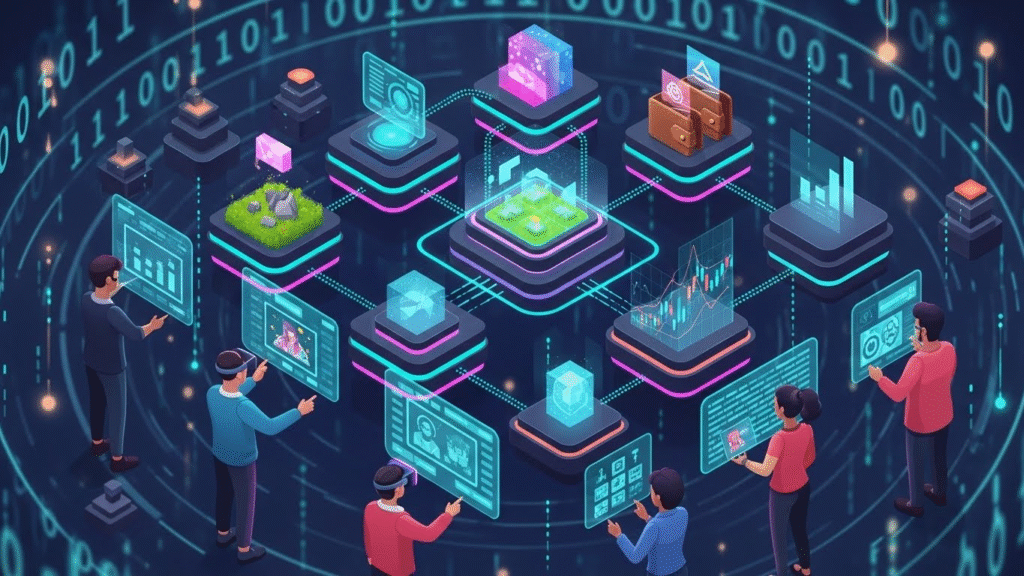
NFT-based businesses are one of the most versatile opportunities within the Web3 Business world. NFTs allow creators and brands to tokenize digital assets such as artwork, collectibles, videos, music, virtual items, and even physical products. This system gives ownership, authenticity, and traceability to buyers. For entrepreneurs, launching an NFT-focused Web3 Business can be highly profitable because the market continues evolving beyond simple art sales. Today, NFTs are used for memberships, loyalty programs, ticketing, events, identity verification, gaming assets, and branded digital experiences.
One major opportunity lies in creating and selling NFTs. Artists, designers, musicians, and influencers can launch collections that offer exclusive benefits or unlock special content. A Web3 Business can help creators with branding, marketing, and technical setup. Businesses also use utility NFTs to build communities and reward loyal customers. These NFTs may offer discounts, event access, or long-term perks. When structured correctly, the model creates recurring engagement and ongoing revenue opportunities for a Web3 Business.
Another powerful niche is developing NFT marketplaces. Instead of relying on third-party platforms, businesses and creators often need custom marketplaces tailored to their audience. Building or managing a marketplace allows a Web3 Business to earn through listing fees, transaction fees, promotion slots, or premium services. Marketplaces can focus on niches like gaming items, music collectibles, sports memorabilia, or branded digital products. With strong branding and functionality, an NFT marketplace becomes a long-term digital asset.
NFT gaming is another fast-growing opportunity. Games that allow players to earn, trade, and use NFTs continue attracting millions of users. A Web3 Business can build in-game assets, virtual items, skins, or character NFTs. This creates new revenue streams while enhancing player engagement. Even traditional companies are exploring NFT integration for marketing and customer loyalty programs.
Metaverse Business Opportunities
The metaverse is becoming one of the most exciting spaces for any Web3 Business. It combines virtual reality, augmented reality, digital worlds, and blockchain technology to create immersive environments where people can work, learn, shop, and socialize. As more users and brands enter virtual spaces, the demand for products, services, and digital experiences continues to rise. For entrepreneurs, building a Web3 Business around the metaverse opens doors to long-term and high-earning opportunities.
One of the strongest business models is virtual real estate. Entrepreneurs can buy, sell, or rent digital land on metaverse platforms. A Web3 Business can earn revenue through real estate development, virtual storefronts, co-working spaces, event venues, or entertainment hubs. Brands are already purchasing virtual land to increase visibility and engage customers. This makes digital real estate development an early but promising opportunity for future growth.
Another opportunity is hosting virtual events. Conferences, concerts, training sessions, meetups, and product launches are moving into the metaverse. A Web3 Business that specializes in virtual event management can offer planning, venue design, avatar customization, ticketing, and live interaction tools. Events in the metaverse reach larger audiences without geographical limits, allowing businesses to scale faster and serve global clients.
Building metaverse shops and service hubs is another strong opportunity. Companies now want virtual stores where customers can explore products, try virtual demos, or engage with interactive content. A Web3 Business can design 3D storefronts, virtual showrooms, training spaces, or entertainment zones. These digital hubs help brands stand out and offer immersive customer experiences.
Another profitable direction is avatar design and digital fashion. As people spend more time in virtual worlds, they look for unique clothing, accessories, and skins. A Web3 Business offering 3D fashion designs or avatar customizations can sell digital items at premium prices.
Decentralized Finance (DeFi) Services
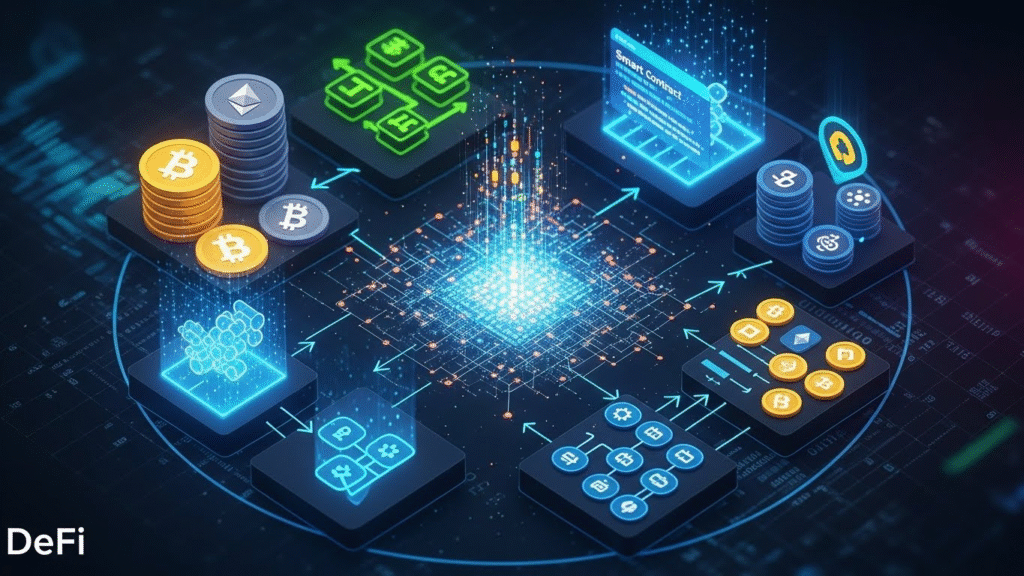
Decentralized Finance, or DeFi, has become one of the most powerful pillars of the Web3 ecosystem, making it a strong opportunity for any Web3 Business in 2025. DeFi removes banks and intermediaries by using blockchain-based systems where users control their own funds. This shift has created huge demand for services such as staking, lending, borrowing, yield farming, liquidity pools, automated trading, and decentralized asset management. A Web3 Business that focuses on DeFi can tap into a fast-growing industry that attracts investors, traders, and everyday users seeking better financial freedom.
One major opportunity for a Web3 Business is creating staking platforms. Staking allows users to lock their tokens and earn rewards, similar to earning interest. Entrepreneurs can build staking dashboards or provide staking-as-a-service for projects that need secure and easy-to-use solutions. Another profitable direction is launching decentralized lending and borrowing platforms. These platforms allow users to borrow funds instantly without paperwork while lenders earn attractive returns. A Web3 Business that builds or manages these systems can generate income through transaction fees, interest spreads, or token utilities.
DeFi consulting is also in high demand. Many new investors want guidance on navigating decentralized platforms safely. A Web3 Business can help individuals or companies understand yield farming, liquidity pools, and risk management. Consulting can also include setting up secure wallets, tracking tools, and strategies for long-term investment. Businesses entering DeFi require audits, compliance checks, or smart contract reviews, creating additional revenue streams.
Automation tools are another exciting opportunity. Investors want systems that can automatically rebalance portfolios, track yields, or execute trades based on market conditions. A Web3 Business that builds automated bots, dashboards, risk monitors, or security systems can attract a global audience. With cybersecurity threats rising, tools that protect wallets and smart contracts are becoming essential.
Web3 Consulting and Education
Web3 consulting and education have become essential services as more companies begin shifting into blockchain, decentralized technologies, token ecosystems, and the metaverse. This makes consulting a stable and profitable Web3 Business opportunity for entrepreneurs who understand the basics of decentralization, smart contracts, NFTs, and blockchain strategy. Since many traditional businesses have limited knowledge of Web3 tools, they look for experts who can guide them through adoption, integration, and long-term execution.
A Web3 Business offering consulting can help companies understand how blockchain improves transparency, reduces costs, increases security, and enhances customer engagement. This includes setting up digital wallets, developing token strategies, or integrating decentralized storage solutions. Some businesses need complete Web3 transformation, such as moving loyalty programs to NFTs, launching metaverse experiences, or using smart contracts for operations. A Web3 Business acting as a consultant becomes a trusted advisor in these transitions.
Education is just as important. Many professionals want to learn blockchain technology but lack structured guidance. A Web3 Business can offer workshops, online courses, certification programs, training materials, and webinars. These learning programs can focus on topics such as understanding DeFi, building NFTs, using dApps, metaverse marketing, smart contract basics, and safe investing. Schools, corporations, universities, and startups are increasingly partnering with Web3 educators to stay competitive.
Another valuable niche is auditing and technical review services. Businesses need help reviewing smart contracts for security risks, evaluating token models, or analyzing the feasibility of blockchain projects. A Web3 Business providing audits can earn premium fees because security is a top priority in the decentralized world.
Blockchain-Based Gaming
Blockchain-based gaming, also known as Play-to-Earn (P2E), has transformed the gaming industry and created exciting opportunities for anyone building a Web3 Business. In P2E games, players can earn digital rewards, NFTs, tokens, and tradable assets simply by participating. This model gives players real ownership of what they earn, unlike traditional gaming where items belong to the company. As gamers and developers move toward decentralized ecosystems, a Web3 Business focused on P2E development can achieve remarkable growth.
One major opportunity is developing P2E games from scratch. Entrepreneurs can build strategy games, battle arenas, adventure quests, farming simulators, or metaverse-style worlds. A Web3 Business can use NFTs as characters, assets, land, tools, or weapons. These NFTs can be traded, sold, or upgraded by players. Token economies allow players to earn coins that hold real value. When designed well, this system attracts global gamers and creates consistent revenue through in-game purchases, token fees, or marketplace trades.
Another strong opportunity is creating in-game digital economies. A Web3 Business can design tokenomics, reward systems, item utilities, staking rewards, and community governance features. Successful P2E games rely on balanced economies that reward players while keeping the game sustainable. Businesses can offer economic design services to game studios looking to enter the Web3 space.
NFT creation is another profitable niche. P2E games rely heavily on NFT-based assets such as skins, virtual land, characters, and digital tools. A Web3 Business can create, mint, animate, or manage NFT collections for gaming partners. These assets can be sold through marketplaces or integrated directly into the gaming environment.
Building gaming marketplaces is another valuable direction. Players need platforms where they can buy, sell, or trade gaming NFTs safely. A Web3 Business developing marketplaces can earn fees from transactions, listings, and premium features.
Crypto and Blockchain Security Services
Crypto and blockchain security services have become one of the most essential pillars for anyone running a Web3 Business in 2025. As more people invest in digital assets, NFTs, and decentralized platforms, security risks continue to grow. Users want protection from scams, hacking attempts, and smart contract vulnerabilities. This is why a Web3 Business offering security solutions can attract clients from startups, investors, and global organizations. With the rise of DeFi, NFT marketplaces, and dApps, strong security is no longer optional, it is a necessity.
Smart contract auditing is a major service in this field. Many decentralized applications rely on smart contracts to execute transactions automatically. However, if the code contains bugs or loopholes, millions of dollars can be lost instantly. A Web3 Business specializing in smart contract audits can analyze code, detect vulnerabilities, and recommend fixes. This service is in high demand because companies want to launch safely and build trust with users.
Another high-value service involves setting up secure wallet systems. Users need safe storage for digital assets, and businesses rely on multi-signature wallets and hardware wallets to protect funds. A Web3 Business can help clients create secure wallet structures, backup plans, and access control systems.
Risk assessment and fraud prevention solutions offer even more growth opportunities. Crypto scams and phishing attacks are increasing, and companies want systems that identify suspicious behavior before it causes damage. A Web3 Business can build security dashboards, monitoring tools, and educational resources that help organizations detect threats early.
Compliance is also becoming important. Governments are introducing regulations around digital assets, and companies need help staying compliant. A Web3 Business offering compliance guidance can help clients follow rules while benefiting from decentralized technology.
DAO (Decentralized Autonomous Organization) Creation
DAOs, or Decentralized Autonomous Organizations, have become a major trend in the decentralized world, offering new ways for communities to operate through shared governance. This creates a strong opportunity for anyone building a Web3 Business in 2025. DAOs allow groups to make decisions using blockchain-based voting systems instead of traditional leadership structures. These organizations manage funds, create rules, and execute decisions using smart contracts, making them transparent and community-driven.
A Web3 Business can help communities launch DAOs by guiding them through setup, token creation, governance structure, and operational frameworks. Many creators, brands, investors, and digital communities want to form DAOs but lack the technical knowledge. This opens the door for consulting, development, and long-term management services.
Governance tool development is another strong opportunity. DAOs need platforms where members can vote, submit proposals, and monitor decisions. A Web3 Business can build customized governance dashboards, token-based voting systems, automation tools, and analytics. These tools make it easy for members to participate and maintain transparency.
DAO consulting is in high demand. Many communities need help choosing the right blockchain, creating voting rules, forming treasury systems, and avoiding governance issues. A Web3 Business can offer ongoing support, helping DAOs maintain structure and stability while preventing internal conflicts.
Another key service is operations support. DAOs require help with treasury management, communication channels, community onboarding, and workflow automation. A Web3 Business can act as a partner, helping them stay organized and efficient.
Web3 Marketing and Growth Services
Web3 Marketing has become one of the fastest-growing industries because traditional marketing does not work the same way in decentralized ecosystems. This creates a powerful opportunity for a Web3 Business that specializes in promoting NFT projects, token launches, metaverse brands, and blockchain startups. Since Web3 depends heavily on community trust, transparency, and engagement, companies need marketing strategies that match the decentralized nature of their platforms.
One major service is promoting NFT and token launches. A Web3 Business can help brands plan drops, build anticipation, execute launch events, and communicate value to buyers. This includes storytelling, branding, and strategic partnerships—elements that are crucial for Web3 success. Because NFT and token markets are competitive, projects rely on expert guidance to stand out.
Another essential service is community-building. In Web3, communities are the backbone of every successful project. A Web3 Business can manage Discord servers, Telegram groups, and X (Twitter) communities. This includes moderating conversations, organizing events, launching contests, hosting AMAs, and keeping members engaged. Community management helps build trust and long-term loyalty.
Web3 influencer partnerships offer another layer of opportunity. Influencers in the crypto space have powerful audiences who follow market trends closely. A Web3 Business can create influencer campaigns, collaborations, and sponsored content to boost visibility. By connecting brands with trusted voices, the business helps projects reach a wider audience.
Growth services also include SEO, branding, content creation, analytics, and paid ads (where compliant). Companies want to maintain a strong online presence, and a Web3 Business can provide messaging strategies, whitepaper development, and digital marketing funnels.
Tips for Succeeding in Web3 Business in 2025
Succeeding in a Web3 Business in 2025 requires a mix of technical understanding, strategic planning, strong community engagement, and continuous adaptation. Web3 evolves faster than traditional industries, so entrepreneurs must stay flexible and well-informed. With new trends emerging in NFTs, DeFi, gaming, and decentralized governance, mastering these skills becomes essential for long-term success.
The first tip is staying updated with technology trends. A Web3 Business must understand new blockchains, upcoming tools, smart contract improvements, and regulatory changes. Reading industry news, joining developer communities, and attending Web3 events can help entrepreneurs remain knowledgeable and competitive.
Security and compliance are equally important. A Web3 Business should prioritize safety for users and clients. This includes secure smart contracts, transparent tokenomics, and proper risk management. Projects that ignore security often lose community trust, which can destroy long-term growth.
Community-building is the foundation of Web3 success. In decentralized environments, the community acts as investors, supporters, marketers, and users. A Web3 Business should maintain active communication, provide value, and listen to feedback. Strong relationships help brands build loyalty and prevent misinformation or distrust.
User experience is another essential factor. Many Web3 platforms fail because they are too complicated. A Web3 Business that focuses on simplicity, accessibility, and intuitive design will attract more users. Improving onboarding, support, and overall usability makes projects more appealing.
Innovation keeps a Web3 Business ahead of the competition. Entrepreneurs should explore new ideas, experiment with technology, and look for unique opportunities. Whether it’s developing cross-chain solutions, offering new types of NFTs, or enhancing DeFi tools, innovation helps businesses stand out.
Conclusion
Decentralized Finance (DeFi), Web3 consulting, and blockchain-based gaming are opening doors to powerful new business opportunities. As blockchain adoption grows worldwide, entrepreneurs who understand these technologies can build services that offer real value, whether through DeFi platforms, education, or play-to-earn ecosystems. The key is to focus on transparency, security, and long-term utility so users can trust the products you create. Businesses are increasingly searching for experts who can guide them into Web3, while gamers are embracing digital ownership and reward-based models. By staying updated, experimenting with new tools, and solving real problems, you can position yourself at the front of these fast-growing digital industries.
FAQs
Do I need technical skills to start a blockchain-related business?
No, you don’t need deep technical skills to begin, but having basic blockchain knowledge helps. Many successful founders partner with developers or use ready-made blockchain tools to launch their ideas. What matters most is understanding user needs, building trust, and offering clear value. You can start with small projects, learn gradually, and grow as you gain confidence. Online courses, community groups, and mentors also make it easier to get started without feeling overwhelmed.
How can beginners stay updated with blockchain trends?
Beginners can stay informed by following trusted blockchain blogs, joining online communities, watching tutorials, and attending virtual events. Many platforms offer beginner-friendly newsletters and daily updates. It also helps to follow industry leaders on social media for quick insights. Trying small experiments, such as using a wallet or exploring test networks, makes learning easier. Consistent practice is more important than memorizing everything. Over time, these habits build strong understanding without feeling complicated or technical.
Are blockchain businesses expensive to start?
Not necessarily. Some blockchain ideas require large budgets, but many can begin with low startup costs. Consulting, education, and digital services need more knowledge than money. Even technical projects can start with test networks or simple prototypes before investing more. The key is validating your idea early, talking to users, testing features, and improving slowly. This approach reduces financial risk and helps you build a strong foundation before scaling. Careful planning saves both time and money.