
Graphic Design Business has become one of the most exciting and profitable fields in today’s digital world. With businesses needing logos, social media content, websites, and branding, the demand for skilled designers keeps growing. Starting your own design business in 2025 is a great way to turn creativity into income and build a flexible career that fits your lifestyle.
In this guide, you’ll learn how to start a successful Graphic Design Business step by step. From choosing your niche and building a portfolio to marketing your services and finding clients, we’ll cover everything you need to know to grow your design brand and stand out in a competitive industry.
The Graphic Design Industry in 2025
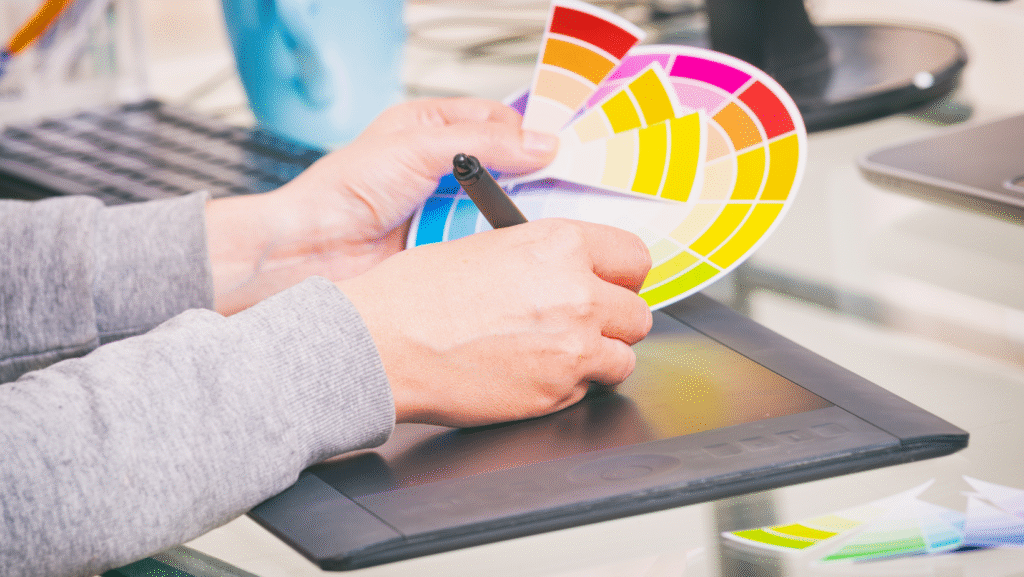
The Graphic Design Business in 2025 is evolving faster than ever. With new technologies, design trends, and digital tools emerging, designers have more opportunities to showcase creativity and build successful careers. Businesses of all sizes now rely on strong visuals to communicate and stand out online, making professional design a valuable skill in the digital marketplace.
Latest design trends and technology are shaping the future of design work. Minimalist layouts, bold typography, 3D illustrations, and motion graphics are dominating visual communication. Interactive design, sustainable graphics, and AI-assisted creativity are becoming the new standard. Designers who adapt to these trends can stay relevant and attract high-paying clients.
The shift toward remote and freelance opportunities continues to grow. Many companies prefer hiring freelance designers for flexible, project-based work. This gives creatives freedom to work from anywhere while building a global client base. Platforms like Upwork, Fiverr, and Behance make it easier than ever to find clients and build a personal brand online.
AI and automation tools are also transforming the Graphic Design Business. Tools like Adobe Firefly, Canva Magic Studio, and Figma AI speed up workflows, suggest layouts, and even generate content ideas. While AI can’t replace creativity, it enhances productivity by handling repetitive tasks and allowing designers to focus on strategy and storytelling.
Step 1: Define Your Niche and Target Audience

Finding your niche is one of the most important steps in building a Graphic Design Business. Instead of offering every type of design, focusing on a specific area helps you attract clients who truly value your work. Specializing gives you expertise, confidence, and a clear brand identity in a crowded market.
The importance of specializing cannot be overstated. Common design niches include branding, logo design, web design, social media graphics, packaging design, and print marketing. You could also focus on a specific industry—like real estate, fashion, or tech—to build authority and expertise. Clients are more likely to hire designers who understand their industry’s unique needs.
To identify your ideal clients and industries, start by thinking about what kind of projects excite you most. Do you love designing modern websites, creative ads, or professional logos? Research who needs those services and where they spend time online. Study your competition and note what you can offer that sets your Graphic Design Business apart.
Niche marketing offers big benefits. It makes your marketing efforts more targeted and effective. Instead of trying to appeal to everyone, you’ll attract the right audience, clients who fit your style and budget. This focus helps you build stronger client relationships, increase referrals, and grow your business faster.
Step 2: Build a Strong Brand Identity
Building a strong brand identity is the foundation of a successful Graphic Design Business. Your brand shows potential clients who you are, what you stand for, and why they should choose you. A clear, professional identity builds trust and makes your business memorable in a crowded marketplace.
Start by choosing a memorable business name and logo. Your name should reflect your style and target audience—something simple, creative, and easy to remember. Your logo should represent your design philosophy and values. Even though you’re the designer, take the time to create a logo that communicates professionalism and creativity—it’s your first impression on clients.
Next, focus on designing your own brand kit, including colors, fonts, and overall style. Choose a consistent color palette and typography that represent your personality and design approach. Consistency helps create visual harmony across your website, social media, and marketing materials. This professional look helps your Graphic Design Business stand out and look cohesive.
Consistency across platforms is essential. Your brand should look the same on your website, portfolio, email signature, and social media profiles. When clients see a consistent message and style, they perceive you as trustworthy and professional. It also reinforces brand recognition, clients will instantly recognize your work wherever they see it.
Step 3: Set Up Your Business Legally and Financially
Setting up your Graphic Design Business legally and financially is an important step toward long-term success. It gives your business credibility, helps you stay organized, and ensures you’re ready to grow professionally. A strong legal and financial foundation also protects your work and income.
Start by registering your business name and structure. Choose a unique, memorable name that reflects your creative style. You can register as a sole proprietorship, partnership, or Limited Liability Company (LLC), depending on your goals. Many designers prefer forming an LLC because it separates personal and business assets, offering extra protection. Also, check for domain availability so your brand name matches your website.
Next, focus on managing taxes and budgeting for tools and expenses. Keep track of your income, business costs, and invoices using tools like QuickBooks or Wave. Set aside a portion of your income for taxes and always keep receipts for deductible expenses, such as design software, office equipment, or subscriptions. A clear budget ensures your Graphic Design Business runs smoothly without financial stress.
When setting fair pricing for design services, research market rates and consider your experience level. Avoid undervaluing your work. Charge for your time, skill, and creativity. Offer different packages for branding, web design, or social media graphics. Transparent pricing builds trust and helps you attract serious clients who respect your value.
Step 4: Create a Professional Portfolio and Website
A professional portfolio is the heart of your Graphic Design Business. It shows potential clients what you can do and helps you stand out in a competitive market. Unlike a resume, a portfolio displays your creativity, problem-solving skills, and design style in action.
A strong portfolio matters more than a resume because clients want to see real results. Show before-and-after projects, branding transformations, and client testimonials when possible. Even if you’re new, create sample projects to demonstrate your abilities. What matters most is showing your process and quality of work, not just the final designs.
When deciding how to showcase your best projects and case studies, focus on variety and storytelling. Choose 5–10 of your strongest projects that represent different design skills, such as logos, websites, and marketing materials. For each one, explain the client’s goal, your design approach, and the outcome. This helps potential clients understand your creative thinking and professionalism in your Graphic Design Business.
Your next step is to create a user-friendly portfolio website. Platforms like Wix, WordPress, or Webflow are great for building simple yet attractive sites. Use clean layouts, high-quality images, and clear navigation. Include an “About Me” page, services section, and contact form. Make sure your website loads quickly and looks great on mobile devices.
Step 5: Market Your Graphic Design Business
Marketing is key to growing your Graphic Design Business and attracting consistent clients. Even the best design skills need visibility to reach the right audience. A strong marketing strategy helps you showcase your talent, build authority, and grow your brand.
Start by using social media platforms effectively. Platforms like Instagram, LinkedIn, and Pinterest are perfect for showcasing your designs and connecting with potential clients. Post your work regularly, share design tips, and engage with followers. Instagram highlights your creativity, LinkedIn connects you with businesses, and Pinterest drives traffic to your portfolio. Consistent posting helps keep your Graphic Design Business visible and trusted.
Next, build authority with blogs, tutorials, and online content. Write about design trends, share case studies, or create how-to guides. This positions you as an expert and improves your SEO ranking. You can also create short video tutorials or behind-the-scenes reels showing your design process. Educating others builds credibility and draws more clients to your Graphic Design Business.
Networking is another powerful strategy. Learn how to attract clients both online and offline. Join design communities, attend creative workshops, and collaborate with other professionals. Word-of-mouth recommendations and client referrals are extremely valuable in this industry. Offering excellent service encourages clients to share your work with others.
Step 6: Use AI and Design Tools to Work Smarter
In 2025, using AI-powered tools can make your Graphic Design Business more efficient and creative. Artificial intelligence isn’t replacing designers—it’s helping them work smarter, faster, and with greater accuracy. Embracing these tools gives you a competitive edge in a fast-moving industry.
Start with AI-powered design tools like Canva Magic Studio, Adobe Firefly, and Figma AI. These programs can suggest color palettes, generate layouts, or improve image quality automatically. They help streamline repetitive tasks, such as resizing graphics for multiple platforms or generating quick mockups. By using AI, you save time and focus on creativity, the true core of your Graphic Design Business.
Automation helps save time and boost creativity. Scheduling posts, managing projects, and handling invoices can all be automated. Tools like Zapier, Notion, and Trello keep projects organized, while AI writing assistants can help you craft captions or marketing materials. Automation ensures smoother workflows and fewer mistakes.
To stay relevant, focus on integrating new tech trends. Virtual reality (VR) design, generative art, and motion graphics are growing fast. Learning these tools now will set your Graphic Design Business apart from competitors. Keeping up with technology also shows clients that you’re innovative and forward-thinking.
Step 7: Maintain Client Relationships and Scale Your Business
Long-term success in a Graphic Design Business depends on strong client relationships. Happy clients not only return for more work but also refer you to others. Building trust and communication is key to creating a sustainable, growing business.
Start by delivering excellent client service. Always meet deadlines, listen to feedback, and stay professional. Be clear about expectations from the start—provide detailed proposals and updates throughout projects. A satisfied client becomes your best marketing tool and strengthens your Graphic Design Business reputation.
Next, focus on gathering testimonials and reviews. Positive feedback adds credibility to your portfolio and website. After completing a project, politely ask clients for short testimonials. Showcase these on your site and social media. This builds social proof and attracts new clients who trust your reliability and quality.
As your workload increases, consider outsourcing or hiring team members. Delegating tasks like social media management, copywriting, or basic design work frees up time for you to focus on bigger projects. Hiring freelancers or assistants helps scale your Graphic Design Business efficiently without losing quality.
Conclusion
Starting a Graphic Design Business in 2025 is an exciting opportunity to turn creativity into a successful career. With the right skills, tools, and mindset, you can build a brand that stands out in the growing digital world. Focus on defining your niche, building a strong portfolio, and using smart marketing to attract clients. Embrace new technologies like AI to work faster and smarter. Most importantly, maintain strong relationships and deliver quality designs. By following these steps, your Graphic Design Business can grow steadily, gain loyal clients, and become a trusted creative brand in the modern design industry.
FAQs
How much money do I need to start a Graphic Design Business?
Starting a Graphic Design Business doesn’t require a large investment. With a good computer, reliable internet, and design software like Adobe Creative Cloud or Canva Pro, you can begin for under $1,000. You can expand later by investing in premium tools, marketing, and a website. Many designers start small and grow gradually as they gain clients and experience in their Graphic Design Business.
Do I need a degree to start a Graphic Design Business?
No, a degree isn’t required to start a Graphic Design Business. What matters most is your creativity, design skills, and portfolio. Many successful designers are self-taught using online courses, tutorials, and practice. Clients care more about the quality of your work than formal education. Focus on building strong design knowledge, mastering tools, and delivering great results to grow your Graphic Design Business successfully.
How can I find clients for my Graphic Design Business?
Finding clients for your Graphic Design Business involves using multiple strategies. Start by sharing your portfolio on platforms like Instagram, LinkedIn, and Behance. Join online freelance marketplaces such as Upwork or Fiverr. Networking in design communities and offering referral discounts also helps. Consistently post your work, engage with followers, and ask happy clients for reviews to build credibility and attract steady clients to your Graphic Design Business.
What services can I offer in my Graphic Design Business?
A Graphic Design Business can offer a variety of services, depending on your skills. Common options include logo design, branding, web design, social media graphics, packaging, and marketing materials. You can also expand into areas like motion graphics or digital illustrations. The key is to specialize in what you do best and create value for clients. A focused service list helps your Graphic Design Business stand out from competitors.